
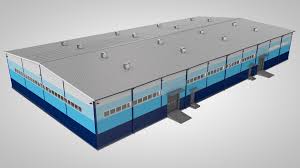
Step-by-Step Guide to Installing a Pre-Engineered Building in Pakistan | ACCO Construction
Step-by-Step Guide to Installing a Pre-Engineered Building in Pakistan | ACCO Construction
Introduction to ACCO Construction 🏗️
ACCO Construction is a leading construction and engineering company based in Lahore, Pakistan. We specialize in Pre-Engineered Buildings (PEB), industrial sheds, warehouses, commercial buildings, and turnkey construction projects.
With years of experience in both industrial and commercial projects, ACCO Construction ensures that every structure meets Pakistan Building Code standards, seismic requirements, and long-term durability expectations.
- Turnkey Pre-Engineered Buildings (PEB)
- Industrial warehouses and factories
- Commercial complexes and plazas
- Civil, structural, and finishing works
Location: Lahore, Pakistan
Phone / WhatsApp: 03228000190
Website: www.accoengineering.com
Email: info@accoengineering.com.pk
Why PEB Installation Matters in Pakistan 🇵🇰
The demand for Pre-Engineered Buildings in Pakistan is increasing rapidly due to industrial growth, urban development, and the need for cost-effective, durable, and fast-to-construct buildings.
Even the best-designed PEB structure can fail if installation is not carried out systematically. This guide will help investors, factory owners, and developers understand the correct construction process and avoid costly mistakes.
What Is a Pre-Engineered Building (PEB)? 🏭
A Pre-Engineered Building (PEB) is a steel structure designed and fabricated off-site, then transported and assembled at the project location.
Common Uses of PEB in Pakistan:
- Industrial factories & warehouses
- Commercial plazas & showrooms
- Cold storage & logistics centers
- Sports complexes & hangars
- Agricultural & poultry sheds
Step-by-Step Guide to Installing a Pre-Engineered Building in Pakistan 🛠️
Step 1: Site Survey & Soil Investigation 📍
Before construction, conduct a detailed site assessment:
- Topographic survey
- Soil bearing capacity test
- Groundwater level analysis
- Access and logistics planning
Soil reports influence foundation design, especially in cities like Lahore, Karachi, and Faisalabad.
Step 2: Engineering Design & Shop Drawings 📐
Structural engineers prepare:
- Load calculations (dead, live, wind, seismic)
- Primary and secondary steel framing design
- Anchor bolt layout drawings
- Erection sequence plans
Compliance with Pakistan Building Code and international standards is ensured.
Step 3: Foundation & Civil Works 🧱
- Excavation and soil preparation
- PCC & RCC foundations
- Anchor bolt installation with templates
- Plinth beams & floor slabs
Accuracy in anchor bolt placement is critical for smooth steel erection.
Step 4: Delivery & Material Handling 🚚
Components are transported to the site in labeled batches:
- Primary frames (columns & rafters)
- Secondary members (purlins, girts, bracings)
- Roof and wall sheets
- Bolt sets and accessories
Proper handling prevents damage and corrosion.
Step 5: Erection of Primary Steel Structure 🏗️
Critical phase requiring skilled teams and cranes:
- Erect columns
- Install rafters
- Align frames
- Apply temporary bracing
- Tighten bolts as per specifications
Step 6: Installation of Secondary Members 🔩
Secondary members enhance stability and load distribution:
- Roof purlins
- Wall girts
- Sag rods and bracing systems
Step 7: Roofing & Wall Cladding Installation 🏠
Cladding provides protection and insulation:
- Color coated metal sheets
- Sandwich panels (PUF / EPS)
- Skylights and ridge ventilators
Step 8: Doors, Windows & Accessories 🚪
- Rolling shutters and personnel doors
- Aluminum windows
- Louvers, exhaust fans, gutters & downpipes
Step 9: Electrical, Plumbing & Fire Systems ⚡
- Electrical wiring & lighting
- Fire fighting systems
- Drainage & plumbing
- HVAC systems
Step 10: Final Inspection & Handover ✅
- Structural alignment check
- Bolt torque verification
- Roofing & cladding inspection
- Safety compliance certification
The building is then handed over with all documentation.
Installation Timeframe of PEB in Pakistan ⏱️
| Building Size | Average Installation Time |
|---|---|
| Small Shed | 30–45 days |
| Medium Warehouse | 60–90 days |
| Large Industrial Unit | 90–120 days |
PEB installation is 40–60% faster than traditional construction methods.
Pros and Cons of PEB Installation ✅❌
Advantages ✅
- Faster construction timeline
- Lower overall cost
- High structural strength
- Earthquake-resistant
- Low maintenance
- Easy future expansion
Disadvantages ❌
- Requires precise planning
- Skilled labor is essential
- Poor installation affects performance
Frequently Asked Questions (FAQs) ❓
- Q1: How long does PEB installation take in Pakistan?
- Most projects are completed within 2–4 months depending on size and scope.
- Q2: Is PEB suitable for earthquake zones?
- Yes, PEB structures are highly earthquake-resistant when designed properly.
- Q3: Can PEB buildings be expanded later?
- Absolutely, PEB buildings are modular and easily expandable.
- Q4: Is PEB cheaper than traditional construction?
- Yes, PEB can save 15–30% in total cost due to faster construction and lower material waste.
- Q5: Who should handle PEB installation?
- Experienced construction companies with skilled erection teams should handle installation for safety and quality assurance.
Internal Links 🔗
External References 🌐
Final Verdict 🏁
If you want faster project completion, lower costs, durable and earthquake-resistant buildings, and future expansion flexibility, Pre-Engineered Buildings are ideal.
However, success depends on proper step-by-step installation, experienced engineers, and quality control – exactly what ACCO Construction delivers.
Call to Action 📞
Contact ACCO Construction today for a free consultation!
📞 Phone / WhatsApp: 03228000190
🌐 Website: www.accoengineering.com
✉️ Email: info@accoengineering.com.pk