Top Construction Companies in Lahore – ACCO Factory Experts Top 10 Construction Companies in Lahore…
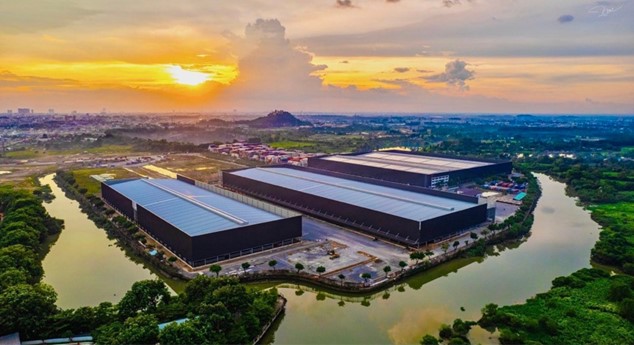
Factory & Warehouse PEB Construction in Karachi | ACCO Engineering
Factory & Warehouse PEB Construction in Karachi | ACCO Engineering
Introduction to ACCO Engineering – Experts in Industrial Construction
ACCO Engineering is a trusted leader in industrial construction and Pre-Engineered Building (PEB) solutions in Pakistan. With years of experience, ACCO Engineering specializes in designing and constructing factory buildings, warehouses, and turnkey industrial projects, ensuring quality, durability, and cost efficiency.
Based in Lahore, we serve clients across Karachi, Islamabad, Faisalabad, Sialkot, and other industrial hubs, offering customized PEB solutions and modern industrial shed designs that meet the specific needs of Pakistani industries.
Our expertise includes:
- Industrial sheds & warehouses
- Pre-Engineered Buildings (PEB)
- Turnkey industrial construction projects
- Steel structures for factories, logistics, and cold storage
- Full project lifecycle management from design to handover
ACCO Engineering combines engineering excellence, local industry knowledge, and global construction practices, making us one of the most reliable PEB experts in Pakistan.
Why Factory & Warehouse PEB Construction Is Critical in Karachi
Karachi is Pakistan’s commercial and industrial hub, hosting textile mills, shipping hubs, food processing units, logistics companies, and manufacturing plants. The city’s rapid industrial growth has created a high demand for modern, durable, and cost-effective industrial sheds and warehouses.
Choosing PEB (Pre-Engineered Building) solutions is essential for Karachi industries because:
- Space utilization is optimized for urban industrial plots
- Construction timelines are faster, reducing operational delays
- Steel structures are resilient against humidity, high winds, and heavy loads
- Future expansions are easier compared to conventional construction
In this context, ACCO Engineering provides factory and warehouse PEB solutions that ensure efficiency, durability, and compliance with Pakistan’s building standards.
What Is a Pre-Engineered Building (PEB)?
A Pre-Engineered Building (PEB) is a custom-engineered steel structure designed, fabricated, and manufactured off-site and then assembled quickly on the construction site. PEBs are ideal for industrial factories, warehouses, and large-span structures.
Key Components of a PEB
- Primary Frames: Main steel members carrying the load
- Secondary Frames: Purlins, girts, and roof support
- Roof & Wall Panels: Aluzinc-coated or insulated panels
- Foundation & Base Plates: Designed for stability and load transfer
- Accessories: Skylights, ventilation systems, cranes, and insulation
Why PEB Construction Is Perfect for Factories & Warehouses in Karachi
Advantages of PEB for Industrial Use
- Faster Construction: Factory-made components allow quick assembly
- Cost Efficiency: Optimized steel reduces material waste
- Durability: Resistant to corrosion, humidity, and heavy loads
- Design Flexibility: Easy to expand or modify
- Compliance: Meets Pakistan Engineering Council (PEC) and industrial safety standards
Typical Uses of PEB in Karachi
- Textile factories – high-speed production lines
- Food processing & cold storage – insulated panels and hygienic layouts
- Logistics warehouses – large-span storage areas
- Automobile & machinery workshops – heavy-duty steel structures
Industrial Shed vs PEB – Which Is Better?
| Feature | Conventional Industrial Shed | Pre-Engineered Building (PEB) |
|---|---|---|
| Construction Time | Longer (6–12 months) | Faster (6–12 weeks) |
| Material Efficiency | Moderate | High (optimized steel) |
| Expansion Flexibility | Limited | High |
| Maintenance | Moderate | Low |
| Cost Predictability | Variable | High |
| Design Options | Basic | Customized & Modern |
ACCO Engineering’s Factory & Warehouse PEB Construction Process
1️⃣ Site Assessment & Feasibility Study
- Evaluate industrial plot size, topography, and soil conditions
- Determine load requirements, crane specifications, and machinery placement
- Check zoning and industrial regulations
2️⃣ Design & Engineering
- Structural analysis using advanced software
- Design optimized steel frames and roof/wall systems
- Ensure compliance with Pakistan building codes
3️⃣ Fabrication & Quality Control
- Factory-based steel fabrication
- Quality-tested welding and coating
- Efficient logistics for Karachi delivery
4️⃣ On-Site Erection
- Fast assembly using cranes and bolted connections
- Installation of roofing, insulation, and accessories
- Safety inspection and compliance verification
5️⃣ Finishing & Handover
- Ventilation, skylights, and electrical coordination
- Flooring, drainage, and site landscaping if required
- Project documentation and warranty issuance
Modern Features of ACCO Engineering PEB Structures
- High-grade steel frames – durable and corrosion-resistant
- Aluzinc & insulated panels – ideal for Karachi’s coastal humidity
- Skylights & natural ventilation – reduce energy consumption
- Fire-resistant coatings – compliance with industrial safety standards
- Modular design – easy for future expansion or layout changes
Cost of Factory & Warehouse PEB Construction in Karachi
The total cost depends on:
- Shed size (length, width, height)
- Steel weight per square foot
- Roofing & wall panel type
- Insulation & ventilation requirements
- Crane systems, skylights, and additional accessories
Approximate Cost (Per Square Foot)
| Type | Cost Range (PKR) |
|---|---|
| Standard Industrial Shed | 3,500 – 6,500 |
| PEB Structure | 4,500 – 8,000 |
Note: Accurate pricing requires a site assessment and custom design.
Pros & Cons of Factory & Warehouse PEB Construction
✅ Advantages
- Fast-track construction
- Cost-effective steel usage
- Long lifespan (30–50 years)
- Modular and expansion-friendly
- Energy-efficient design options
❌ Limitations
- Requires skilled contractors for assembly
- Initial design requires expert engineering
- Poor-quality fabrication can compromise durability
Trends in Industrial Construction in Pakistan
- Green & energy-efficient warehouses
- Cold storage PEB structures for food & pharma
- Integrated logistics facilities with modern layouts
- Smart factory sheds with IoT & automated systems
Frequently Asked Questions (FAQs)
1. How long does it take to build a PEB factory or warehouse in Karachi?
Typically 6–12 weeks, depending on size and complexity.
2. Can PEB structures withstand Karachi’s coastal climate?
Yes. Using aluzinc-coated steel and insulated panels, PEBs resist humidity, wind, and corrosion.
3. Are PEB structures expandable?
Absolutely. ACCO Engineering designs modular PEBs for future expansion.
4. What types of insulation are used in industrial PEB sheds?
- Polyurethane panels
- Glass wool insulation
- Sandwich panels with thermal resistance
5. How do I get a quotation for my industrial shed project?
Contact ACCO Engineering with site details, dimensions, and requirements for a custom BOQ and consultation.
Internal Links
- House Construction in DHA Lahore
- Commercial Plaza Builders Lahore
- Turnkey Industrial Construction Solutions
- Warehouse & Logistics Construction Services
External References
- Pakistan Engineering Council – Guidelines & standards
- DAWN News – Industry & Manufacturing – Local industrial trends
- ArchDaily – Industrial Architecture – Design inspiration
Final Verdict – Why Choose ACCO Engineering for Your Industrial PEB Project
If you are planning a factory or warehouse in Karachi or across Pakistan, PEB construction offers speed, cost efficiency, and long-term durability.
ACCO Engineering ensures:
- Engineering precision and compliance
- Transparent project costing and timelines
- Durable, modular, and energy-efficient industrial sheds
Invest in PEB construction with ACCO Engineering to secure a future-ready, high-performance industrial facility.
Call to Action – Contact ACCO Engineering Today!
📞 Phone / WhatsApp: 0322-1000190
📧 Email: info@accoengineering.com
🌐 Website: www.accoengineering.com
📍 Address: Office #2, 3rd Floor, Bigcity Plaza, Gulberg-III, Lahore
Contact ACCO Engineering today for a free consultation and quotation for your factory or warehouse PEB project!

Related Posts
This Post Has 0 Comments