
🏗️ Introduction – ACCO Engineering 7 ACCO Engineering is a leading engineering and construction company…
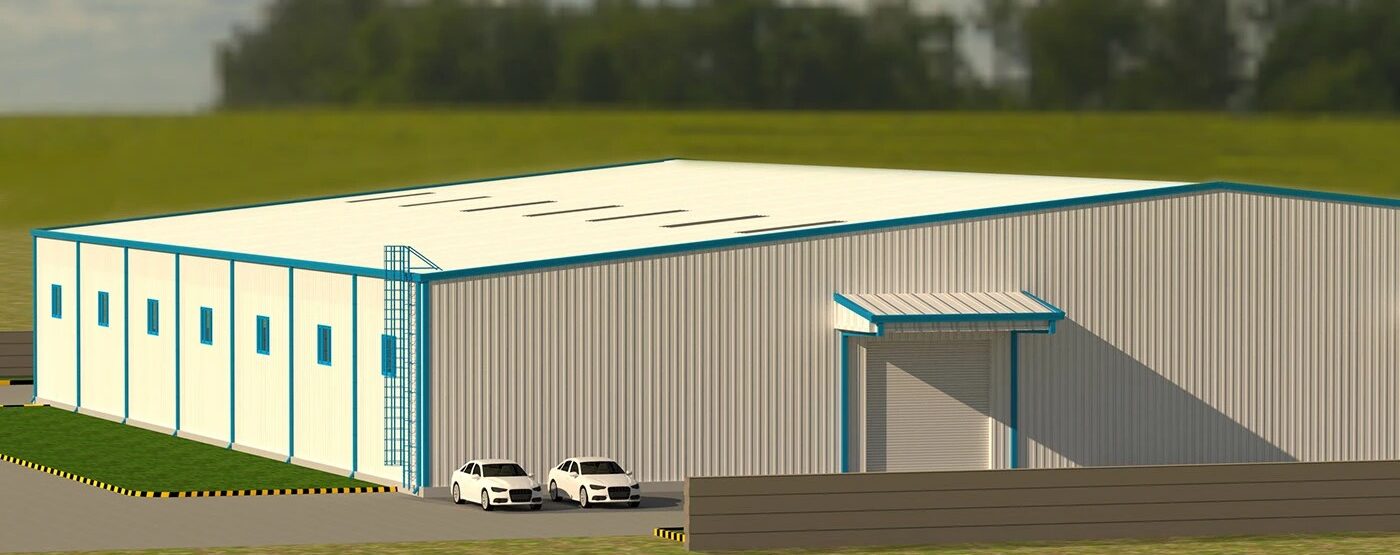
PEB vs RCC: The Truth Industrial Owners Must Know Before Building | ACCO Engineering (2025 Guide)
Introduction to ACCO Engineering
ACCO Engineering is Pakistan’s leading company specializing in Pre-Engineered Buildings (PEB), industrial steel structures, warehouse construction, cold storage solutions, and turnkey factory development. Based in Lahore, ACCO Engineering delivers modern, fast, and cost-effective industrial construction solutions across Pakistan.
With decades of professional experience and hundreds of completed steel structures, ACCO Engineering is trusted by manufacturing units, logistics companies, textile mills, pharmaceutical plants, and agricultural warehousing operators.
Our core expertise includes:
- Pre-Engineered Steel Buildings (PEB)
- Industrial Warehouses
- Cold Storage Structures
- Factory Buildings
- Steel Sheds & Logistics Facilities
- Turnkey Industrial Design & Construction
- Heavy Industrial RCC Structures (where required)
Today’s industrial owners are confused between two major construction systems:
Pre-Engineered Buildings (PEB) vs Reinforced Cement Concrete (RCC).
This blog explains the truth—what is the right choice in Pakistan’s industrial environment, cost, time, durability, and long-term performance.
Introduction to the Topic: PEB vs RCC — Why This Comparison Matters
The debate of PEB vs RCC has become one of the most searched topics in Pakistan’s construction industry, especially after the rising demand for:
- Warehouses
- Industrial sheds
- Cold storage buildings
- Manufacturing plants
- Godowns
- Logistic hubs
- Textile and packaging units
Industrial owners want:
- Faster construction
- Lower cost
- Long-term durability
- Flexibility for future expansion
Traditional RCC buildings are strong but slow and expensive.
PEB steel structures are modern, efficient, and 3X faster to construct.
This blog provides a complete comparison, based on Pakistani industry conditions, cost trends, and real-world performance.
Understanding PEB and RCC
What is PEB (Pre-Engineered Building)?
A PEB is a steel structure manufactured in a factory and assembled on-site.
It includes:
- Primary steel frames
- Secondary members (purlins/girts)
- Roof & wall sheeting
- Bracing system
- Bolted connections
Key Features of PEB:
- Lightweight steel structure
- 100% factory fabricated
- On-site installation without welding
- Low maintenance
- Best for large spans (40ft–250ft)
What is RCC (Reinforced Cement Concrete)?
RCC is a traditional construction system based on:
- Concrete columns
- RCC beams
- Slabs
- Masonry walls
Key Features of RCC:
- Very strong and durable
- Best for multi-storey buildings
- More expensive
- Time-consuming construction
PEB vs RCC (Full Technical Comparison)
1. Construction Speed
PEB:
- 3–4x faster
- 100% factory manufacturing
- Only bolt-to-bolt assembly
- A 50,000 sq ft warehouse erects in 45–60 days
RCC:
- Very slow
- Curing time required
- Labour-intensive
- Same warehouse takes 8–12 months
Winner: PEB
2. Cost Comparison
PEB Cost in Pakistan (2025):
- Rs. 1,400–2,400 per sq ft depending on height & design
- No shuttering or curing cost
- Lower labour cost
- Lower foundation cost
RCC Cost in Pakistan (2025):
- Rs. 3,200–5,000 per sq ft
- Requires heavy foundations
- Higher labour cost
- Additional finishing & plaster cost
PEB saves 30–40% compared to RCC.
Winner: PEB
3. Structural Strength
PEB:
- Flexibility in seismic zones
- High wind resistance
- No cracks or shrinkage
- High tensile steel
RCC:
- Heavy and rigid
- Performs well under compression
- Can crack under seismic loads
- Requires maintenance
Winner: Depends on project type
(PEB better for industrial; RCC better for multi-storey buildings)
4. Span Capacity
PEB:
- Clear spans up to 250 ft
- No internal columns
- Maximum usable area
RCC:
- Span limited to 25–35 ft
- Requires internal columns
Winner: PEB
5. Maintenance
PEB:
- Minimal
- Only repaint after 10–12 years
- No plaster, no leakage issues
RCC:
- Plaster cracks
- Leakage & seepage issues
- Structural maintenance needed
Winner: PEB
6. Flexibility & Future Expansion
PEB:
- Expansion-friendly
- Add a new bay anytime
- Easy modifications
RCC:
- Extremely difficult to expand
- Expensive alterations
- Requires demolishing walls/columns
Winner: PEB
7. Environmental Impact
PEB:
- Recyclable steel
- Less waste
- Controlled fabrication
RCC:
- High carbon footprint
- Excessive material waste
- Heavy use of cement
Winner: PEB
PEB vs RCC Comparison Table
| Feature | PEB | RCC |
|---|---|---|
| Construction Time | 45–60 days | 8–12 months |
| Cost | Low | High |
| Strength | Flexible & tensile | Rigid & compressive |
| Span | Up to 250 ft | 25–35 ft |
| Foundations | Light | Heavy |
| Expansion | Very easy | Very difficult |
| Maintenance | Minimal | High |
| Earthquake Resistance | Excellent | Moderate |
| Best Use | Industrial | Multi-storey |
Which One Should You Choose? (The Truth Industrial Owners Must Know)
Choose PEB If:
- You need fast construction
- You need a large clear span warehouse
- You need future expansion
- You want lower cost
- You want modern industrial architecture
- You want low maintenance
- You need large ventilation and skylights
PEB is the best solution for:
- Warehouses
- Factories
- Cold storage
- Logistic hubs
- Workshops
- Agricultural storage
Choose RCC If:
- You need multi-storey construction
- You need a basement
- You need extremely heavy load-bearing floors
RCC is best for:
- Plazas
- Hospitals
- Multi-storey buildings
- Residential buildings
Pros and Cons of PEB
Pros
- Fastest construction system
- Lower cost
- Large span with no columns
- Future expansion friendly
- Earthquake resistant
- Cleaner, modern design
Cons
- Steel price fluctuations
- Requires technical engineering
- Not preferred for multi-storey
Pros and Cons of RCC
Pros
- Very strong and durable
- Multi-storey friendly
- High fire resistance
Cons
- Very slow
- High cost
- Cracks, leakage, dampness
- Hard to expand
- Heavy foundations
Frequently Asked Questions (FAQs)
1. Which is cheaper: PEB or RCC?
PEB is 30–40% cheaper than RCC in Pakistan.
2. How long does a PEB take to build?
A 20,000–50,000 sq ft building takes 45–60 days.
3. Is PEB durable for industrial use?
Yes. PEB lasts 40–50 years with minimal maintenance.
4. Can RCC be used for large-span industrial buildings?
No. RCC cannot support large spans without columns.
5. Is PEB approved by Pakistani authorities?
Yes. Pakistan’s industrial zones and SEZs allow PEB structures.
Internal Links (ACCO Website)
(You can add your actual URLs)
- House Construction in DHA Lahore
- Commercial Plaza Builders Lahore
- Industrial Warehouse Construction Pakistan
- PEB Buildings in Lahore
- Turnkey Construction Services
External Links (High Authority Sources)
- construction.gov.pk — Pakistan Construction Guidelines
- DAWN News — Infrastructure Updates
- ArchDaily — Global Steel Building Trends
- PHC & Building Codes Pakistan
- WHO Safety & Industrial Standards (for environment-friendly structures)
Final Verdict
In Pakistan’s industrial climate—where time, cost, and efficiency matter—PEB is clearly the superior choice for factories, warehouses, and logistics buildings. RCC is a strong system but is only suitable for conventional multi-storey buildings.
Industrial owners who need modern, fast, and expandable construction should always choose PEB.
ACCO Engineering provides complete turnkey PEB solutions, including design, fabrication, installation, MEP, and finishing.
Call to Action (CTA)
Ready to build your industrial project?
Contact ACCO Engineering for a free consultation, design proposal, and cost estimation.
📞 Phone / WhatsApp: 0322 8000190
🌐 ACCO Engineering — Pakistan’s No.1 PEB Specialists

Related Posts

This Post Has 0 Comments